
- AI in Education: The adoption of AI technology in educational settings to enhance teaching and learning processes
- Recent Advancements: Breakthroughs in AI algorithms and applications that are transforming the field of education
- Impact: The effects of AI on student outcomes, teaching methods, and educational institutions

The introduction of AI in education marks a significant shift in teaching and learning paradigms. Recent advancements in AI have paved the way for personalized learning experiences, adaptive assessments, and virtual classrooms, revolutionizing how education is delivered and accessed. The impact of AI in education extends to improving efficiency, enhancing student engagement, and increasing accessibility to quality education for all learners.
- Machine Learning: A subset of AI that enables machines to learn from data and improve over time without being explicitly programmed
- Deep Learning: A sophisticated form of machine learning that uses neural networks with multiple layers to extract high-level features from data
- Neural Networks: Computer systems inspired by the human brain's neural structure, capable of learning patterns and making decisions
- Natural Language Processing: AI technology that enables machines to understand, interpret, and generate human language

Fundamental concepts of artificial intelligence encompass machine learning, deep learning, neural networks, and natural language processing. Machine learning algorithms empower systems to learn from data patterns, while deep learning leverages neural networks to achieve complex tasks. Neural networks mimic human brain functions, and natural language processing enables machines to interact with and comprehend human language effectively.
- Personalized Learning: Tailoring educational experiences to individual student needs, preferences, and pace using AI algorithms
- Adaptive Assessments: Dynamic evaluation systems that adjust difficulty based on student performance and learning patterns
- Virtual Classrooms: Digital learning environments that simulate traditional classrooms, fostering interactive and engaging educational experiences

AI applications in education encompass personalized learning, adaptive assessments, and virtual classrooms. Personalization enhances student engagement and knowledge retention by catering to individual learning styles and preferences. Adaptive assessments provide real-time feedback and customize learning paths to optimize student outcomes. Virtual classrooms offer immersive, collaborative learning experiences that transcend physical boundaries.
- Data Privacy: Safeguarding sensitive student information, ensuring compliance with data protection regulations, and maintaining confidentiality in AI-driven educational systems
- Bias: Addressing algorithmic bias, discriminatory practices, and skewed data representations that may perpetuate inequalities in educational outcomes
- Infrastructure Requirements: Establishing robust IT infrastructure, securing network connectivity, and integrating AI technologies seamlessly into existing educational platforms
- Training Needs: Providing professional development opportunities, upskilling educators, and fostering digital literacy to effectively utilize AI tools in educational settings
Implementing AI in education brings forth a set of challenges that require careful consideration and strategic planning. Concerns such as data privacy, bias mitigation, infrastructure readiness, and training requirements must be addressed to ensure the ethical and equitable use of AI technologies in educational contexts.
- AI-Powered Tutoring Systems: AI-powered tutoring systems leverage machine learning algorithms to provide personalized learning experiences and targeted support for students based on individual learning styles and needs.
- Learning Analytics Platforms: Learning analytics platforms analyze student data to offer insights into learning patterns, performance trends, and areas for improvement, enabling educators to make data-driven decisions to enhance teaching strategies and student outcomes.
- Virtual Reality for Education: Virtual reality technology creates immersive learning experiences, allowing students to engage with educational content in a highly interactive and visual manner, enhancing understanding and retention of complex concepts.
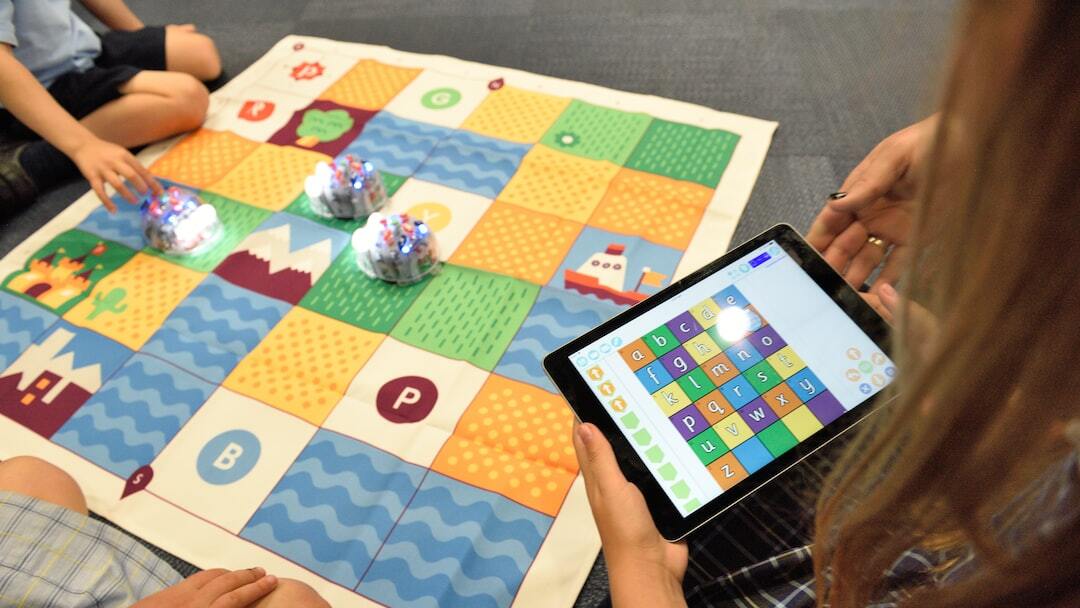
AI tools have revolutionized the landscape of education by offering innovative solutions for educators. AI-powered tutoring systems deliver personalized learning experiences, while learning analytics platforms provide valuable insights to optimize teaching strategies. Virtual reality in education enables immersive and interactive learning environments, enhancing student engagement and understanding.
- Flipped Classroom: The flipped classroom model reverses traditional teaching methods by introducing new content outside of class through digital resources, allowing in-class time for interactive activities, discussions, and personalized support from educators.
- Personalized Learning Paths: Personalized learning paths tailor educational experiences to individual student needs and preferences, offering customized learning content, pace, and assessments to optimize student engagement and academic performance.
- Automated Grading Systems: Automated grading systems use AI algorithms to efficiently evaluate student assessments, provide instant feedback, and generate performance analytics, freeing up educators' time for personalized interventions and instructional improvement.

AI has reshaped traditional teaching methods by introducing innovative approaches such as the flipped classroom model, personalized learning paths, and automated grading systems. These advancements enhance student-centered learning, promote individualized growth, and streamline assessment processes for educators.
- Predictive Analytics: Predictive analytics in education forecast student outcomes, identify at-risk students, and recommend interventions to improve academic performance and retention rates, enabling proactive support and personalized learning pathways.
- Lifelong Learning Support: AI-driven lifelong learning support empowers individuals to pursue continuous skill development, career advancement, and personal growth through personalized learning opportunities, upskilling, and reskilling initiatives.
- Skill Development: AI facilitates skill development by offering adaptive learning experiences, real-time feedback, and competency-based assessments, enabling learners to acquire and refine skills that are relevant to the evolving demands of the workforce.

The future of education is intertwined with AI, offering predictive analytics to enhance student success, lifelong learning support for continuous growth, and skill development opportunities aligned with future workforce requirements. AI-driven advancements empower learners to navigate dynamic educational landscapes and thrive in a knowledge-driven society.
- Adoption Strategies: Effective adoption strategies for AI implementation in educational institutions involve aligning technology initiatives with institutional goals, engaging stakeholders, providing adequate resources, and fostering a culture of innovation and experimentation to maximize the benefits of AI-driven solutions.
- Training Programs: Comprehensive training programs for educators, administrators, and staff on AI technologies, tools, and practices are essential to build capacity, enhance digital literacy, and facilitate the seamless integration of AI innovations into teaching and learning processes.
- Collaboration with Technology Providers: Collaboration with AI technology providers enables educational institutions to leverage expertise, access cutting-edge solutions, co-create customized tools, and receive ongoing support and updates to optimize the implementation and utilization of AI in education.
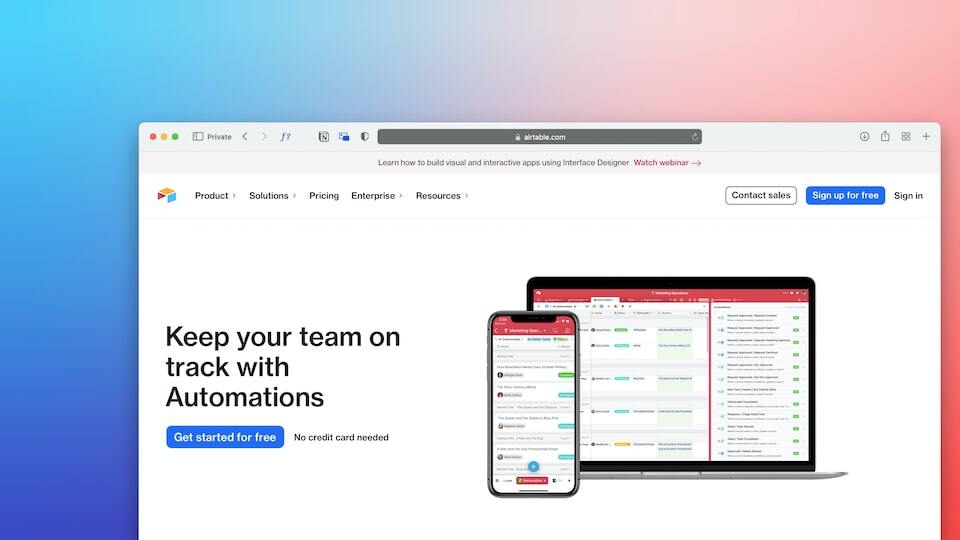
The successful implementation of AI in educational institutions requires strategic adoption strategies, targeted training programs, and collaborative partnerships with technology providers. By investing in capacity-building, fostering a culture of innovation, and establishing strong collaborations, educational institutions can harness the potential of AI to enrich teaching practices, improve learning outcomes, and drive educational innovation.
- Success Stories: Case studies of successful AI integration in education demonstrate improved learning outcomes, personalized learning experiences, enhanced teaching efficiency, and increased student engagement, illustrating the transformative potential of AI technologies in educational settings.
- Lessons Learned: Lessons learned from AI integration in education emphasize the importance of data quality, stakeholder engagement, continuous evaluation, ethical considerations, and scalability to achieve sustainable and impactful deployment of AI solutions in diverse educational contexts.
- Impact on Student Outcomes: The impact of AI integration on student outcomes includes enhanced academic performance, personalized support, adaptive learning experiences, and increased retention rates, showcasing the positive effects of AI technologies in fostering student success and educational excellence.

Through case studies of AI integration in education, we uncover success stories, valuable lessons learned, and the profound impact on student outcomes. These real-world examples highlight the transformative potential of AI in enhancing teaching practices, improving learning experiences, and empowering students to achieve academic success in innovative and adaptive educational environments.
- Key Takeaways: Key takeaways from the primer on AI in education encompass the transformative impact of AI technologies on teaching methods, learning experiences, and student outcomes, emphasizing the importance of ethical considerations, data privacy, and continuous learning initiatives.
- Strategies for Embracing AI in Education: Strategies for embracing AI in education include promoting professional development, fostering collaboration, prioritizing student-centered approaches, investing in infrastructure, and cultivating a culture of innovation to leverage the potential of AI for educational advancement.
- Future Opportunities: Future opportunities in AI-powered education range from personalized learning ecosystems, adaptive AI tutors, predictive analytics for student success, to advanced learning technologies, offering exciting prospects for enhancing educational quality, accessibility, and inclusivity in a rapidly evolving digital era.

In conclusion, the primer on AI in education unravels key takeaways, strategic recommendations, and future opportunities for embracing AI to revolutionize the educational landscape. By prioritizing ethical practices, embracing innovation, and fostering collaborative efforts, educational institutions can seize the vast potential of AI to create dynamic, inclusive, and future-ready learning environments for all learners.