SlidesGPT
Goal-Driven and Actionable Segmentation in AI Marketing Engines

Agenda

1
Introduction to Segmentation in AI Marketing
2
Start with the Goal: The Router’s Input
3
Ensure Actionability: The Message Contract
4
Segment Prioritization Hierarchy: The Tie-Breaker
5
Segmentation Models: RFM, Behavioral, and More
6
Real-World Applications of Segmentation
7
Best Practices for Effective Segmentation
8
Conclusion: Key Insights and Future Directions

Introduction to Segmentation in AI Marketing

Understanding the Foundations of Effective Marketing Strategies

  • Significance of Segmentation: Segmentation allows marketers to categorize consumers based on shared characteristics, enhancing targeting precision and resource allocation.
  • Goal-Driven and Actionable Segmentation: This approach emphasizes aligning segmentation strategies with specific marketing objectives, ensuring that segments are not only defined but also actionable.
  • Personalized Marketing Connection: Effective segmentation directly influences personalized marketing efforts, enabling tailored messaging that resonates with distinct consumer groups.

Photo by Merakist on Unsplash
1
Speaker Notes

In the realm of AI marketing, segmentation serves as a cornerstone for crafting effective strategies. By categorizing consumers into distinct groups based on shared traits, marketers can enhance targeting precision and optimize resource allocation. The concept of Goal-Driven and Actionable Segmentation takes this a step further, aligning segmentation strategies with specific marketing objectives to ensure that each segment is not only defined but also actionable. This alignment is crucial as it directly influences personalized marketing efforts, allowing for tailored messaging that resonates with the unique needs and preferences of different consumer groups.

Start with the Goal: The Router’s Input

Aligning Marketing Strategies with Business Objectives

  • Dynamic Decision-Making: Segmentation strategies must adapt in real-time to align with evolving business objectives, ensuring relevance and effectiveness.
  • Role of the Orchestration Agent: This agent facilitates the integration of various data sources and marketing channels, enabling seamless execution of marketing strategies based on defined goals.
  • Routing Examples: Illustrative cases where segmentation is dynamically adjusted based on specific campaign goals, showcasing the flexibility of AI-driven marketing.
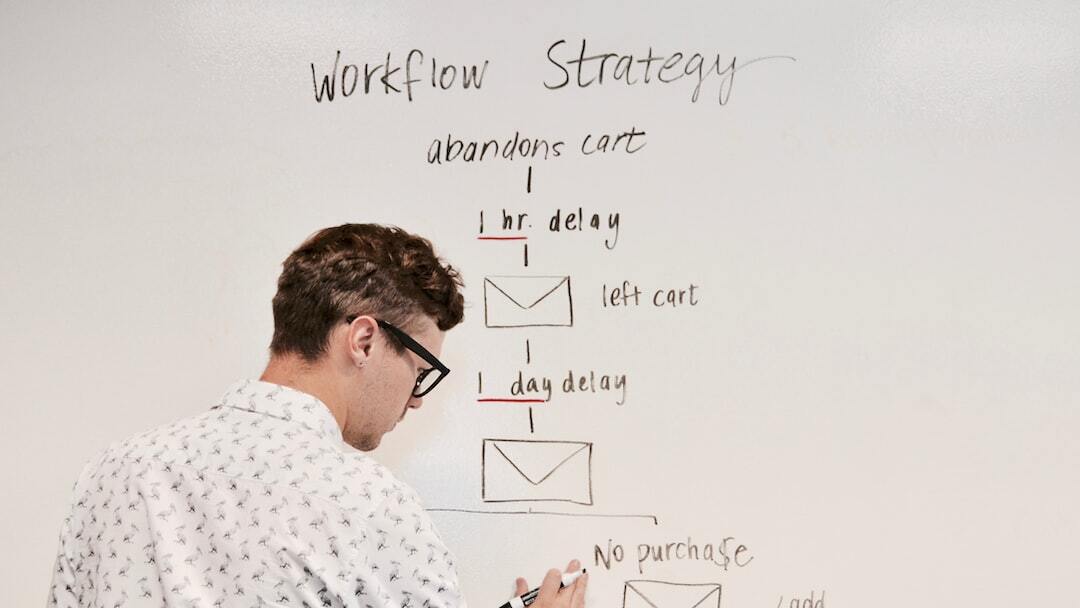
Photo by Campaign Creators on Unsplash
2
Speaker Notes

To effectively implement segmentation in AI marketing, it is essential to start with a clear understanding of business objectives. This dynamic decision-making process allows segmentation strategies to adapt in real-time, ensuring that they remain relevant and effective. The Orchestration Agent plays a pivotal role in this context, facilitating the integration of various data sources and marketing channels. This integration enables seamless execution of marketing strategies that are aligned with defined goals. For instance, we can explore illustrative cases where segmentation is dynamically adjusted based on specific campaign goals, showcasing the flexibility and responsiveness of AI-driven marketing.

Ensure Actionability: The Message Contract

Creating Segments that Drive Results

  • Defining Actionable Segments: Actionable segments are those that can be effectively targeted with specific marketing messages, leading to measurable outcomes.
  • Distinct Messaging Importance: Crafting unique messages for each segment enhances engagement and conversion rates, as consumers respond better to tailored communications.
  • Segment Output Application: Real-world examples of how actionable segments are utilized in campaigns, demonstrating their effectiveness in driving marketing success.

Photo by Kaleidico on Unsplash
3
Speaker Notes

Ensuring actionability in segmentation is crucial for driving marketing results. Actionable segments are defined as those that can be effectively targeted with specific marketing messages, leading to measurable outcomes. The importance of distinct messaging cannot be overstated; crafting unique messages for each segment enhances engagement and conversion rates, as consumers are more likely to respond positively to tailored communications. We can look at real-world examples of how actionable segments are utilized in campaigns, demonstrating their effectiveness in driving marketing success and achieving desired outcomes.

Segment Prioritization Hierarchy: The Tie-Breaker

Navigating Complex Classifications

  • Challenges of Multiple Classifications: Marketers often face difficulties when segments overlap or conflict, necessitating a clear prioritization framework to guide decision-making.
  • Business Rule Engine Role: This engine automates the prioritization process, ensuring that the most relevant segments are targeted based on predefined business rules.
  • Standard Hierarchy of Prioritization: Establishing a standard hierarchy helps streamline the decision-making process, allowing marketers to focus on the most impactful segments first.
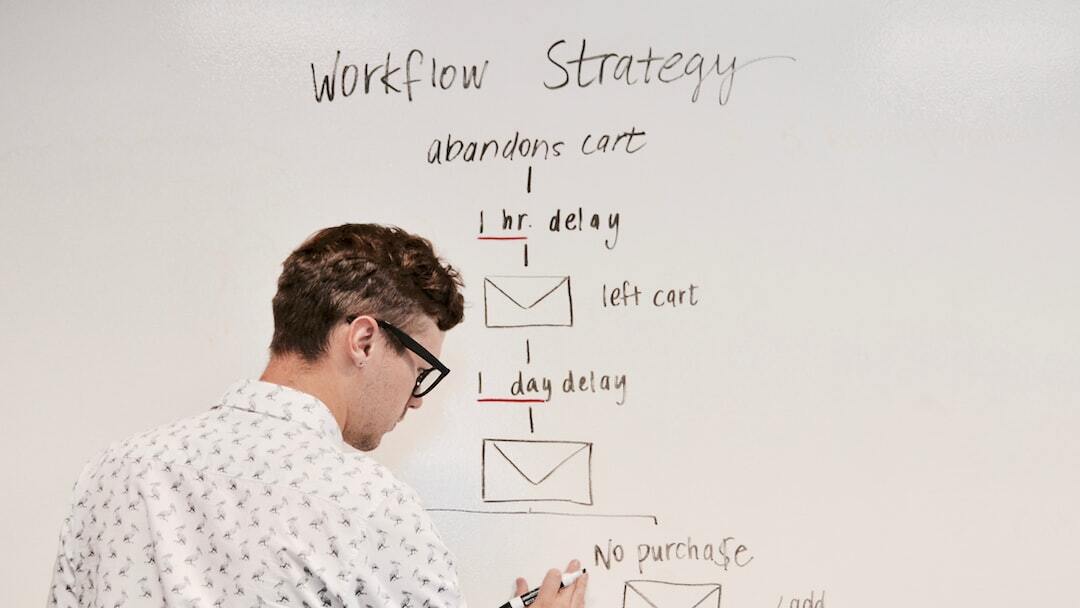
Photo by Campaign Creators on Unsplash
4
Speaker Notes

In the landscape of segmentation, marketers often encounter challenges when dealing with multiple classifications that may overlap or conflict. To navigate these complexities, a clear prioritization framework is essential. The Business Rule Engine plays a critical role in this context, automating the prioritization process and ensuring that the most relevant segments are targeted based on predefined business rules. By establishing a standard hierarchy of prioritization, marketers can streamline their decision-making process, allowing them to focus on the most impactful segments first and optimize their marketing efforts.

Segmentation Models: RFM, Behavioral, and More

Choosing the Right Approach for Your Strategy

Overview of Common Models

RFM (Recency, Frequency, Monetary) and behavioral segmentation are among the most widely used models, each serving distinct purposes in marketing.

When to Use Each Model

Understanding the context and objectives of your marketing strategy is crucial for selecting the appropriate segmentation model.

Impact on Marketing Strategies

The choice of segmentation model can significantly influence marketing strategies, affecting targeting, messaging, and overall campaign effectiveness.

5
Speaker Notes

When it comes to segmentation models, RFM (Recency, Frequency, Monetary) and behavioral segmentation are among the most widely used approaches, each serving distinct purposes in marketing. Understanding when to use each model is crucial; the context and objectives of your marketing strategy will dictate the most effective approach. The impact of the chosen segmentation model on marketing strategies cannot be understated, as it significantly influences targeting, messaging, and overall campaign effectiveness. By selecting the right model, marketers can enhance their ability to connect with consumers and drive desired outcomes.

Real-World Applications of Segmentation

Learning from Success Stories

Successful Case Studies

Examining real-world examples of companies that have effectively implemented segmentation strategies to achieve their marketing goals.

Impact on Engagement and ROI

Effective segmentation has been shown to enhance customer engagement and drive return on investment, demonstrating its value in marketing.

Lessons from Industry Leaders

Insights and best practices gleaned from successful companies can inform future segmentation strategies and marketing efforts.

6
Speaker Notes

Real-world applications of segmentation provide valuable insights into its effectiveness in driving marketing success. By examining successful case studies of companies that have effectively implemented segmentation strategies, we can identify key factors that contribute to their achievements. The impact of effective segmentation on customer engagement and return on investment is significant, underscoring its value in marketing. Additionally, the lessons learned from industry leaders can inform future segmentation strategies and marketing efforts, helping marketers to refine their approaches and achieve better results.

Best Practices for Effective Segmentation

Maximizing the Impact of Your Strategies

Continuous Evaluation and Adjustment

Regularly assessing segmentation strategies ensures they remain relevant and effective in a rapidly changing market environment.

Integration with Marketing Strategies

Seamless integration of segmentation with broader marketing strategies enhances overall effectiveness and coherence in messaging.

Tools and Technologies

Leveraging advanced tools and technologies can streamline the segmentation process and improve accuracy in targeting.

7
Speaker Notes

To maximize the impact of segmentation strategies, it is essential to adhere to best practices. Continuous evaluation and adjustment of segmentation strategies ensure they remain relevant and effective in a rapidly changing market environment. Furthermore, seamless integration of segmentation with broader marketing strategies enhances overall effectiveness and coherence in messaging. Leveraging advanced tools and technologies can also streamline the segmentation process, improving accuracy in targeting and ultimately driving better marketing outcomes.

Conclusion: Key Insights and Future Directions

Reflecting on Segmentation in AI Marketing

Summary of Key Points

Recapping the essential elements of segmentation, including its importance, models, and best practices for implementation.

Future Trends in Segmentation

Emerging trends such as AI-driven personalization and real-time data analytics are shaping the future of segmentation in marketing.

Final Thoughts on Actionable Strategies

Emphasizing the need for marketers to adopt actionable strategies that align with evolving consumer behaviors and preferences.

8
Speaker Notes

In conclusion, we have explored the essential elements of segmentation in AI marketing, including its importance, various models, and best practices for implementation. As we look to the future, emerging trends such as AI-driven personalization and real-time data analytics are shaping the landscape of segmentation, offering new opportunities for marketers. It is crucial for marketers to adopt actionable strategies that align with evolving consumer behaviors and preferences, ensuring that their marketing efforts remain effective and relevant in an ever-changing environment.